
©2025
CulTech
CulTech
Whether it’s through stunning designs seamless user experiences, I’m dedicated to delivering work that resonates.
ABOUT
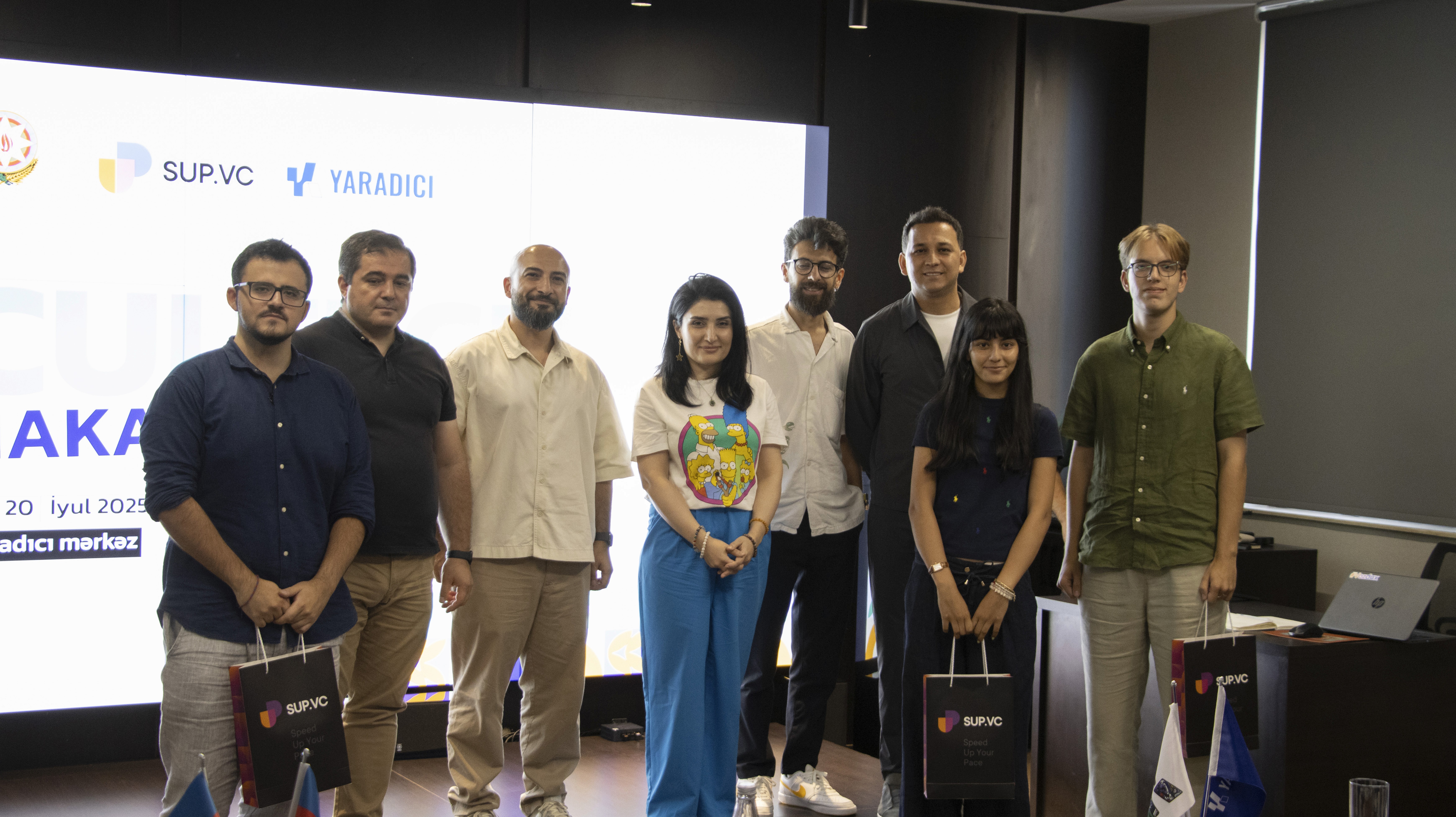
➣ CulTech is a long-running innovation program at the intersection of culture and technology, designed to turn Azerbaijan's creative industries into a recognisable startup category and to give cultural founders a structured path from idea to international market. The program is delivered by SUP.VC with the support of the Ministry of Culture of the Republic of Azerbaijan and the Center for the Development of Cultural and Creative Industries, and operates on two tracks: a recurring hackathon series that has run multiple editions in Baku, and the CulTech Incubation Program, which takes selected startups from prototype to investment-ready, including the opportunity to visit a pre-selected European or Asian ecosystem. The program sits inside Azerbaijan's national strategy for cultural and creative industries the "Creative Azerbaijan" initiative under the 2022-2026 Socio-Economic Development Strategy, and the longer "Azerbaijani Culture – 2040" Concept and "cultech" is now a recognised national category for cultural startups, including within the Ministry's own state awards for creative industries.
The brief
➣ For most of the last decade, Azerbaijan's startup ecosystem has been built around fintech, mobility, and adjacent verticals. Cultural and creative industries cinema, music, gaming, design, museums, heritage tourism, performing arts were treated as cultural policy, not as a startup category. The Ministry of Culture's challenge was to change that. Building a creative-industries startup category at the national level requires more than a grant program: it needs a recurring, branded program that surfaces founders, builds technical capacity, produces visible portfolio companies, and gives the rest of the ecosystem investors, mentors, media a reason to take cultural startups seriously. It also has to operate at the speed of a hackathon while also delivering the long-term work of an incubator, which are two very different operational disciplines. SUP.VC was brought in as the organising partner to design and run both.
Why the Ministry of Culture partnered with SUP.VC
➣ Cultural and creative industries are an unusual category for a startup program. Founders often come from non-technical backgrounds, the problem set is broader than software, and the investor base is less defined than in mainstream tech. Running a program in this space requires both startup-program operational depth and the ability to translate cultural problems into investable products a combination most ministries cannot build in-house. The Ministry partnered with SUP.VC for the same reason ministries of culture around the world increasingly rely on specialist innovation operators: the public partner sets the strategic mandate, anchors the program inside national cultural policy, and opens institutional doors; the operator runs the program. SUP.VC contributed end-to-end program design across both hackathon and incubation formats, a multi-sector mentor and jury network spanning Azercosmos, PASHA Capital, Expressbank, and senior engineering leaders, the founder-side credibility needed to attract creative founders into a tech-format program, and the international relationships that turn local startups into globally legible ones.
How the program works
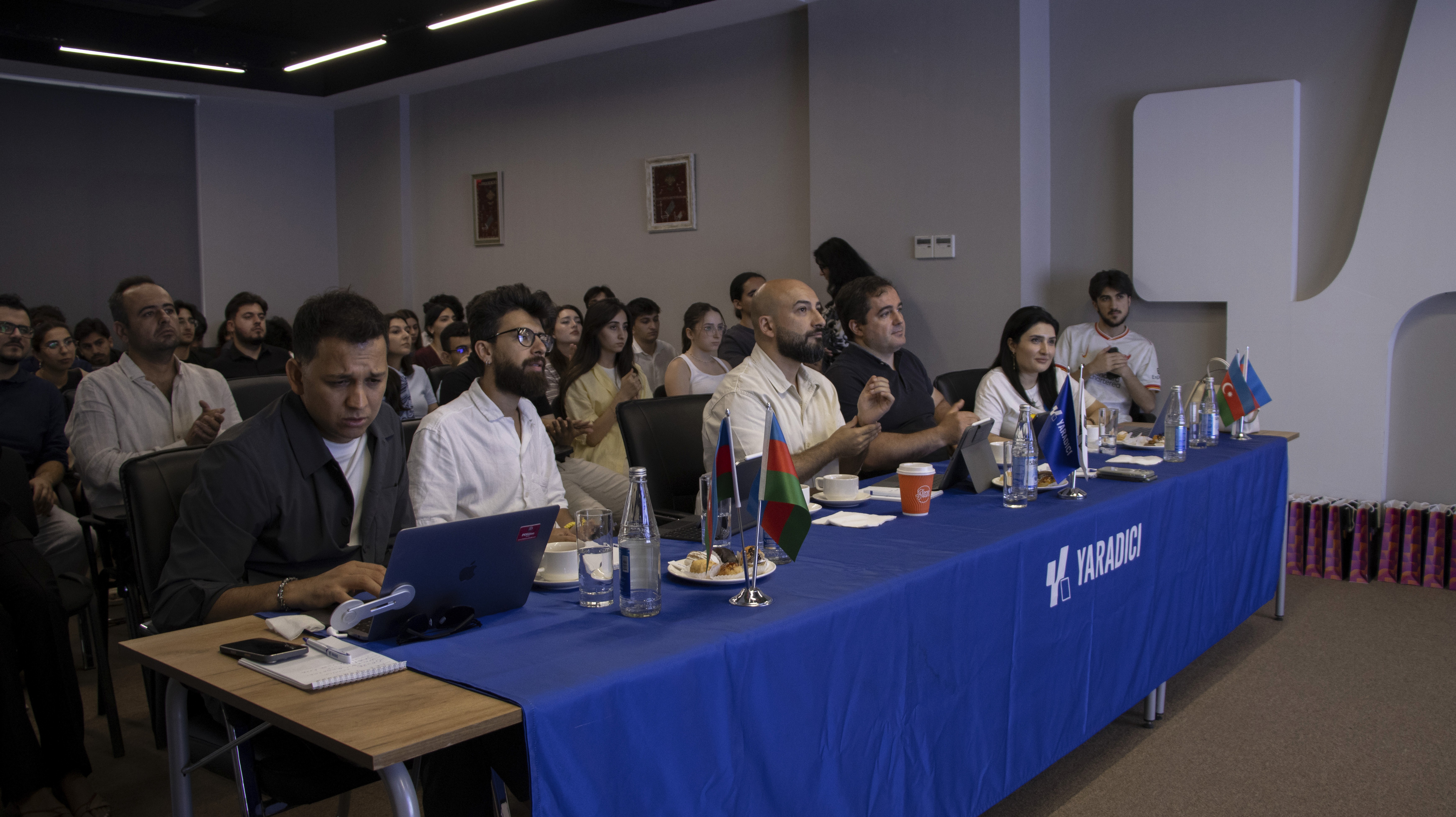
➣ CulTech operates as a two-track program. The hackathon track is a recurring 48-hour competition in which participants work across multiple cultural themes culture, art, technology, society, and creative industries supported by mentors drawn from across Azerbaijan's tech and creative sectors. Each hackathon produces a leaderboard of new ventures, with the strongest teams progressing into the incubation track. The CulTech Incubation Program then takes those teams through structured support designed to move them from prototype to investment-ready: mentorship, network access, investor exposure, and a pre-selected international ecosystem visit to either a European or Asian country where teams can study the local creative-tech ecosystem and evaluate investment opportunities. The two tracks are designed to work together the hackathons are the funnel, the incubator is the conversion engine. The portfolio The program's hackathons have produced a recurring stream of ventures across the creative-tech category.
➣ The third CulTech Hackathon, held in Baku in October, was won by Altus Platform, a media platform built to surface and support creative youth across Azerbaijan, followed by Kratos, an AI-based application that delivers personalised tourism experiences across the country, and Culteam, an app designed to increase community participation in cultural events. A later edition awarded SnapBite, CulturalClan, and Team Təkəldüz covering food and culture, community-building, and cultural product design across five thematic areas spanning culture, art, technology, and society. Across editions, the program has built a portfolio that maps directly to the cultural and creative industry categories cinema, animation, gaming technology, design, music, performing arts, and cultural startups that the Ministry has defined as priority sectors for national development. What the Ministry of Culture gained The first outcome is the creation of a startup category. Before CulTech, "cultural startup" was not a recognised label in Azerbaijan. Today, it is a category the Ministry uses in its own annual awards, in its strategic documents, and in its international positioning. A recurring program with a visible portfolio is what turns a policy ambition into a working sector and CulTech is that program.
➣ The second outcome is policy alignment. CulTech sits directly inside two of the Ministry's most important strategic frameworks: the "Creative Azerbaijan" initiative under the 2022-2026 Socio-Economic Development Strategy, and the longer "Azerbaijani Culture – 2040" Concept. For a ministry whose strategic plans depend on producing visible, working programs that match the language of its policy documents, CulTech is operational proof of strategy execution the kind of program that ministries can cite in their own progress reports. The third outcome is international positioning. By embedding international ecosystem visits into the incubation track, the program connects Azerbaijani creative-tech founders to European and Asian markets at the earliest possible stage. This shifts the long-term ambition of the cultural sector from "support domestic culture" to "build cultural startups capable of competing internationally" which is the deeper goal of the "Azerbaijani Culture – 2040" Concept. For a ministry that operates inside UNESCO, ISESCO, TURKSOY, and other international cultural bodies, having a portfolio of internationally legible startups is a strategic asset that cultural diplomacy alone cannot produce.
➣ The fourth outcome is talent and brand. The program has surfaced a recurring pool of creative founders, engineers, and designers who would not otherwise have been visible to the cultural sector or to investors. It has also built CulTech itself into a known brand within Azerbaijan's tech and creative ecosystems, which lowers the cost of every future cohort.
What's next
➣ CulTech continues to scale across both tracks. The hackathon series produces a recurring stream of new ventures, the incubation program deepens its support for portfolio companies and their international placements, and the program continues to operate as the working layer of Azerbaijan's national creative-industries strategy turning policy into ventures, cohort by cohort.
➣ CulTech is a long-running innovation program at the intersection of culture and technology, designed to turn Azerbaijan's creative industries into a recognisable startup category and to give cultural founders a structured path from idea to international market. The program is delivered by SUP.VC with the support of the Ministry of Culture of the Republic of Azerbaijan and the Center for the Development of Cultural and Creative Industries, and operates on two tracks: a recurring hackathon series that has run multiple editions in Baku, and the CulTech Incubation Program, which takes selected startups from prototype to investment-ready, including the opportunity to visit a pre-selected European or Asian ecosystem. The program sits inside Azerbaijan's national strategy for cultural and creative industries the "Creative Azerbaijan" initiative under the 2022-2026 Socio-Economic Development Strategy, and the longer "Azerbaijani Culture – 2040" Concept and "cultech" is now a recognised national category for cultural startups, including within the Ministry's own state awards for creative industries.
The brief
➣ For most of the last decade, Azerbaijan's startup ecosystem has been built around fintech, mobility, and adjacent verticals. Cultural and creative industries cinema, music, gaming, design, museums, heritage tourism, performing arts were treated as cultural policy, not as a startup category. The Ministry of Culture's challenge was to change that. Building a creative-industries startup category at the national level requires more than a grant program: it needs a recurring, branded program that surfaces founders, builds technical capacity, produces visible portfolio companies, and gives the rest of the ecosystem investors, mentors, media a reason to take cultural startups seriously. It also has to operate at the speed of a hackathon while also delivering the long-term work of an incubator, which are two very different operational disciplines. SUP.VC was brought in as the organising partner to design and run both.
Why the Ministry of Culture partnered with SUP.VC
➣ Cultural and creative industries are an unusual category for a startup program. Founders often come from non-technical backgrounds, the problem set is broader than software, and the investor base is less defined than in mainstream tech. Running a program in this space requires both startup-program operational depth and the ability to translate cultural problems into investable products a combination most ministries cannot build in-house. The Ministry partnered with SUP.VC for the same reason ministries of culture around the world increasingly rely on specialist innovation operators: the public partner sets the strategic mandate, anchors the program inside national cultural policy, and opens institutional doors; the operator runs the program. SUP.VC contributed end-to-end program design across both hackathon and incubation formats, a multi-sector mentor and jury network spanning Azercosmos, PASHA Capital, Expressbank, and senior engineering leaders, the founder-side credibility needed to attract creative founders into a tech-format program, and the international relationships that turn local startups into globally legible ones.
How the program works
➣ CulTech operates as a two-track program. The hackathon track is a recurring 48-hour competition in which participants work across multiple cultural themes culture, art, technology, society, and creative industries supported by mentors drawn from across Azerbaijan's tech and creative sectors. Each hackathon produces a leaderboard of new ventures, with the strongest teams progressing into the incubation track. The CulTech Incubation Program then takes those teams through structured support designed to move them from prototype to investment-ready: mentorship, network access, investor exposure, and a pre-selected international ecosystem visit to either a European or Asian country where teams can study the local creative-tech ecosystem and evaluate investment opportunities. The two tracks are designed to work together the hackathons are the funnel, the incubator is the conversion engine. The portfolio The program's hackathons have produced a recurring stream of ventures across the creative-tech category.
➣ The third CulTech Hackathon, held in Baku in October, was won by Altus Platform, a media platform built to surface and support creative youth across Azerbaijan, followed by Kratos, an AI-based application that delivers personalised tourism experiences across the country, and Culteam, an app designed to increase community participation in cultural events. A later edition awarded SnapBite, CulturalClan, and Team Təkəldüz covering food and culture, community-building, and cultural product design across five thematic areas spanning culture, art, technology, and society. Across editions, the program has built a portfolio that maps directly to the cultural and creative industry categories cinema, animation, gaming technology, design, music, performing arts, and cultural startups that the Ministry has defined as priority sectors for national development. What the Ministry of Culture gained The first outcome is the creation of a startup category. Before CulTech, "cultural startup" was not a recognised label in Azerbaijan. Today, it is a category the Ministry uses in its own annual awards, in its strategic documents, and in its international positioning. A recurring program with a visible portfolio is what turns a policy ambition into a working sector and CulTech is that program.
➣ The second outcome is policy alignment. CulTech sits directly inside two of the Ministry's most important strategic frameworks: the "Creative Azerbaijan" initiative under the 2022-2026 Socio-Economic Development Strategy, and the longer "Azerbaijani Culture – 2040" Concept. For a ministry whose strategic plans depend on producing visible, working programs that match the language of its policy documents, CulTech is operational proof of strategy execution the kind of program that ministries can cite in their own progress reports. The third outcome is international positioning. By embedding international ecosystem visits into the incubation track, the program connects Azerbaijani creative-tech founders to European and Asian markets at the earliest possible stage. This shifts the long-term ambition of the cultural sector from "support domestic culture" to "build cultural startups capable of competing internationally" which is the deeper goal of the "Azerbaijani Culture – 2040" Concept. For a ministry that operates inside UNESCO, ISESCO, TURKSOY, and other international cultural bodies, having a portfolio of internationally legible startups is a strategic asset that cultural diplomacy alone cannot produce.
➣ The fourth outcome is talent and brand. The program has surfaced a recurring pool of creative founders, engineers, and designers who would not otherwise have been visible to the cultural sector or to investors. It has also built CulTech itself into a known brand within Azerbaijan's tech and creative ecosystems, which lowers the cost of every future cohort.
What's next
➣ CulTech continues to scale across both tracks. The hackathon series produces a recurring stream of new ventures, the incubation program deepens its support for portfolio companies and their international placements, and the program continues to operate as the working layer of Azerbaijan's national creative-industries strategy turning policy into ventures, cohort by cohort.
Let's work together
Let's build what's next.
Let's build what's next.
Let's build what's next.
Whether you're a company looking to innovate or a public institution ready to modernize, we'd like to hear what you're working toward.
Tell us your goal — we'll come back with a concrete way to get there.